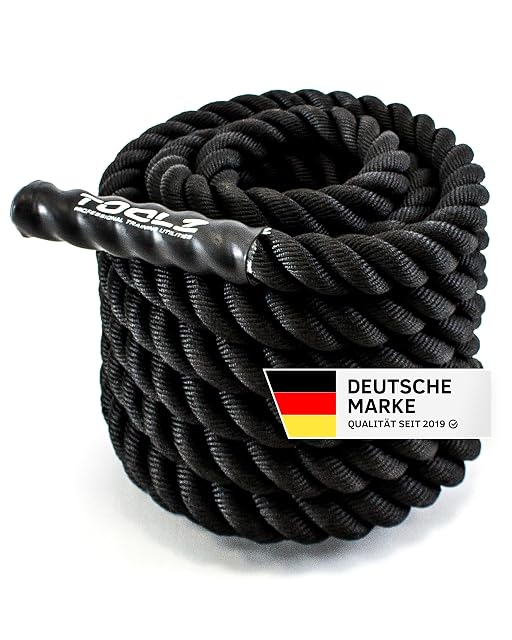
Length and diameter set the difficulty, and an anchor is not included
The best battle ropes for 2026
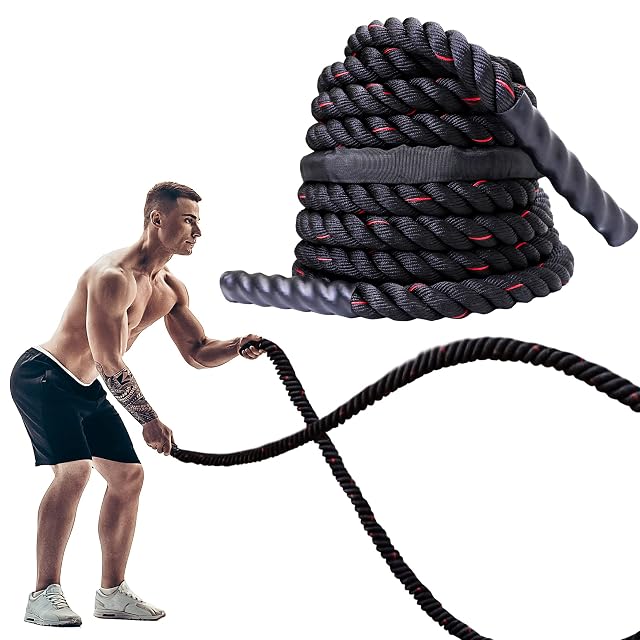
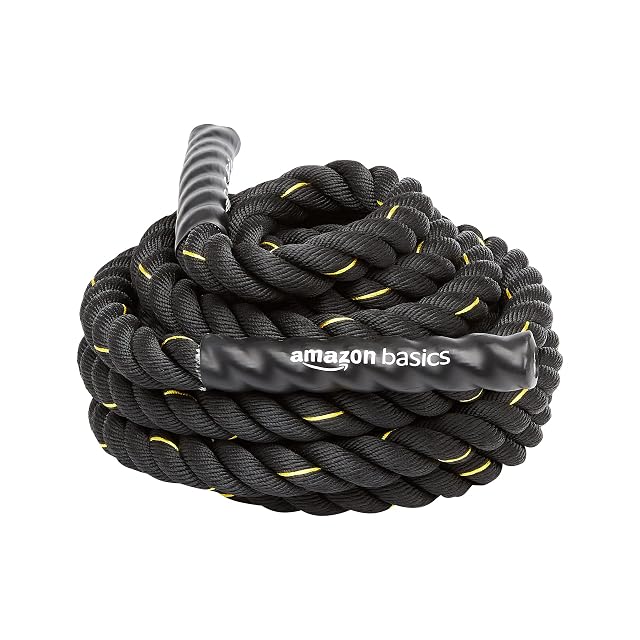
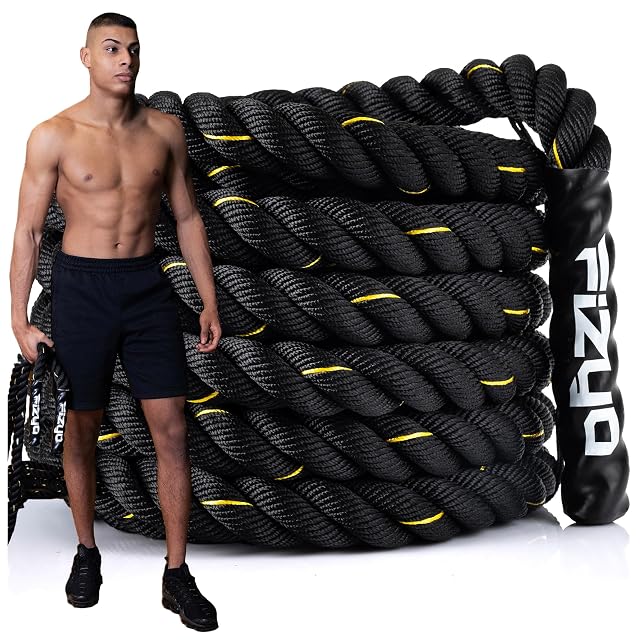
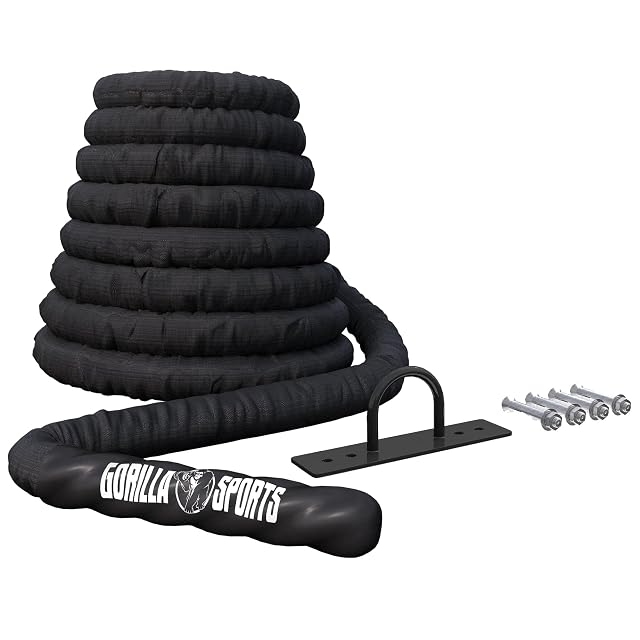
A battle rope is heavy line anchored at its midpoint, and its difficulty is set by two published numbers: length and diameter. Length is quoted for the whole rope, so a 12 m rope gives two 6 m working arms; longer means heavier and means more space. Diameter — 38 mm and 50 mm are the common sizes — changes both the weight and the grip, and a 50 mm rope is markedly harder to hold for anyone with small hands. The two together produce the total weight, which every good listing gives and which is the honest summary of how hard the rope is. Construction splits the shelf: a bare polyester or manila rope is the traditional article and it sheds fibres and abrades on concrete, while a sheathed rope in a nylon sleeve protects both the rope and the floor and adds cost. The grips at each end are heat-shrink, rubber or taped, and are the part that fails first. What is almost never included is the anchor: a wall bracket or a ground stake is a separate purchase, and a rope looped round a radiator or a table leg is a rope that will move something it should not. One variant deserves naming because it appears throughout this shelf and is a different product: a ropeless trainer, a pair of weighted handles that mimic the arm action without the rope, the space or the anchor. It is quieter, it is far smaller, and it is not the same exercise. We compare length, diameter, mass, sheathing and anchor supplied.