Three ways to mount it, and only one that leaves no marks
The best pull-up bars for 2026
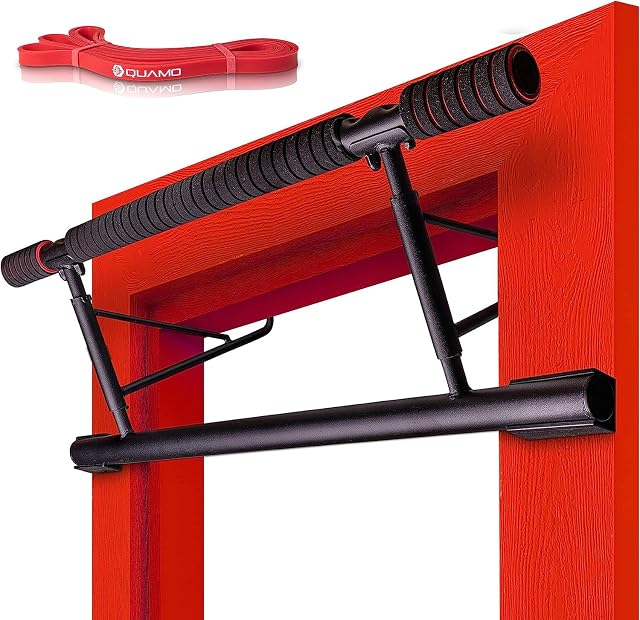
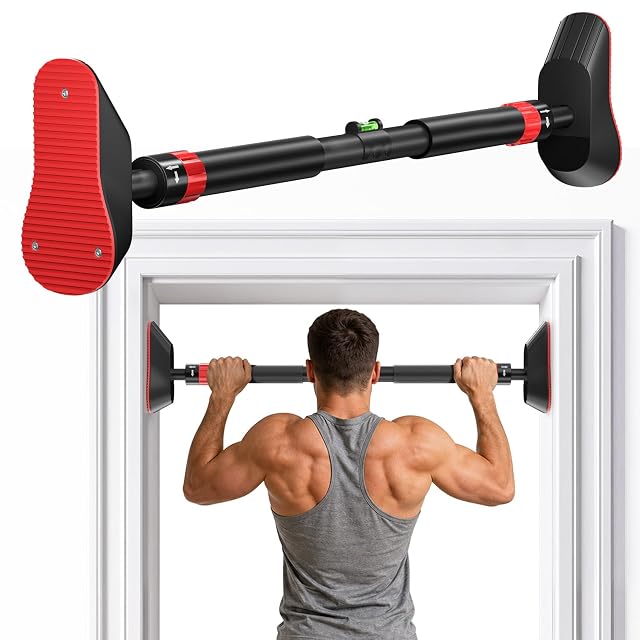
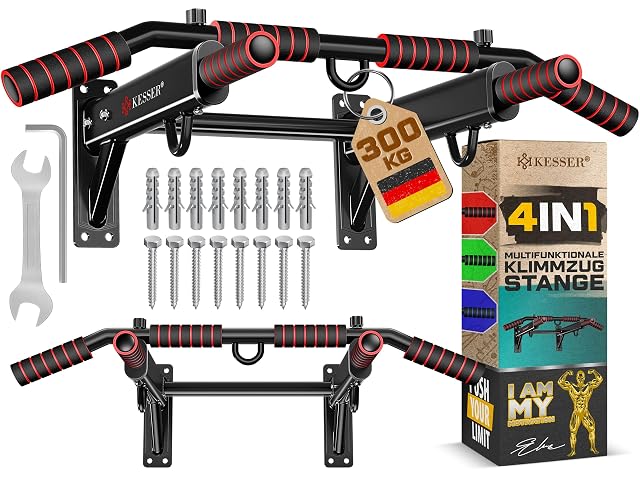
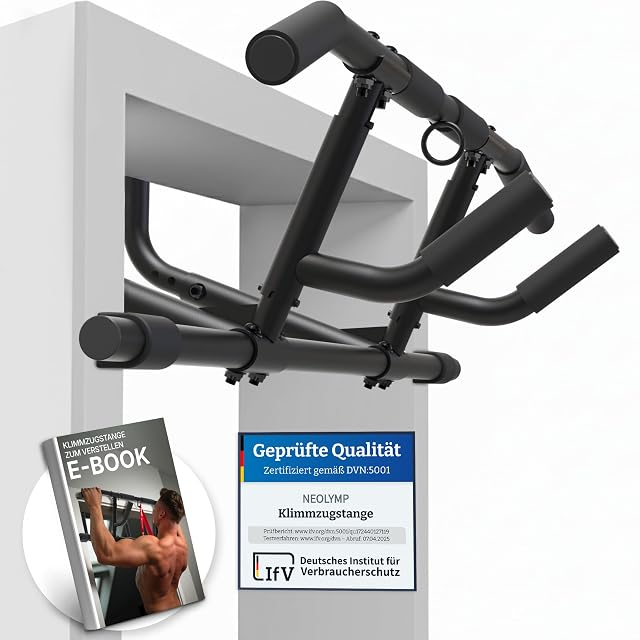
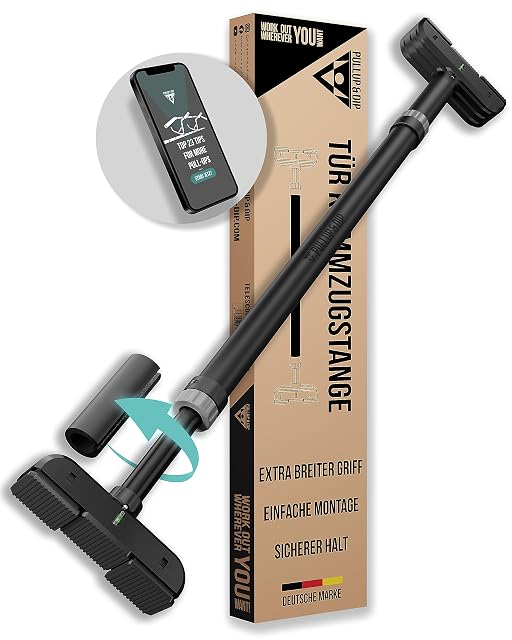
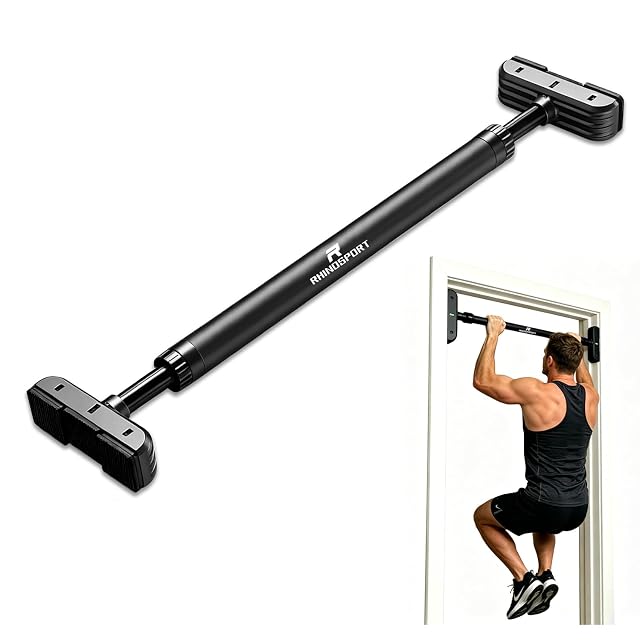
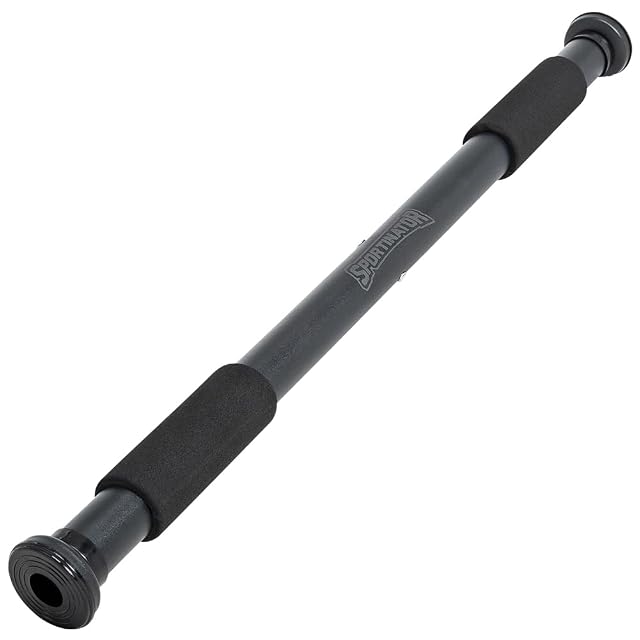
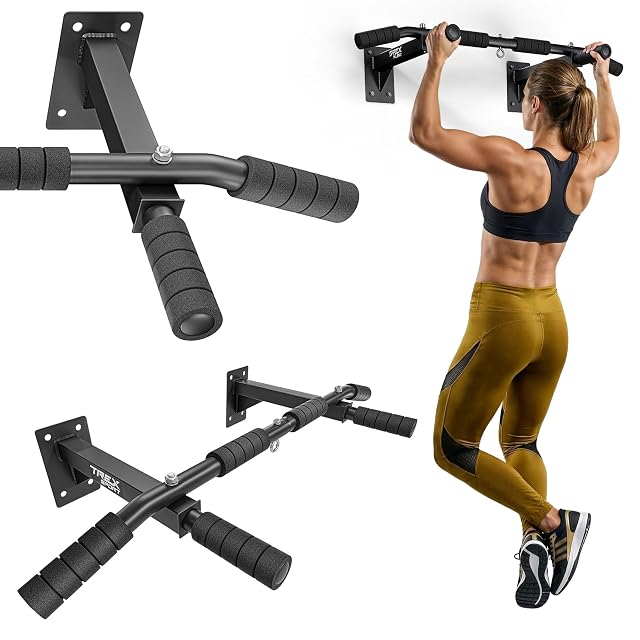
A pull-up bar is decided by how it attaches, and the three ways it can attach are not variations on a theme — they are three different products with different failure modes. A doorway bar that hooks over the frame uses leverage and body weight to stay put; it leaves no holes, it needs a frame of a stated depth and width, and it marks paint. A telescopic bar that tensions inside the frame relies on friction and is the one that fails outright if the frame is not square. A wall or ceiling mount is the only one that puts no load on the door frame at all, and the only one that needs the substrate checked: the fixings supplied are almost always for solid masonry, and a plasterboard wall needs different ones that the box does not contain. The published user weight is the next figure, and it is worth reading beside the mounting type rather than alone — the same 150 kg claim means something different hanging off a door frame than bolted to concrete. Then the practical dimensions: the door frame range in centimetres for hooked and tensioned bars, the fixing pattern for mounted ones, the bar diameter that decides grip fatigue, and the clearance between bar and wall, which is what stops knuckles being skinned on every rep. Multi-grip frames add neutral and wide positions and add depth with them. We compare mounting, width range, projection, grip positions, grip diameter and max user weight.