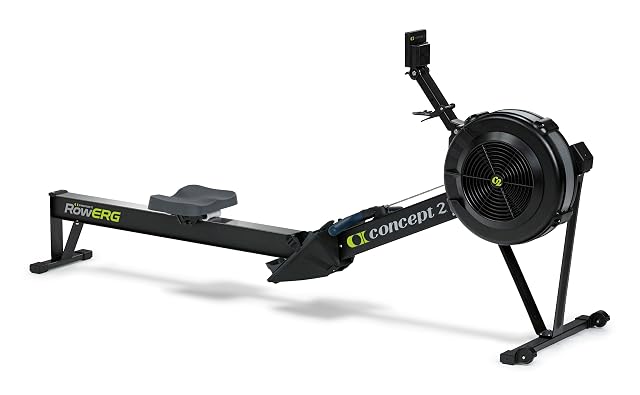
Four ways to make resistance, and they do not feel alike
The best rowing machines for 2026
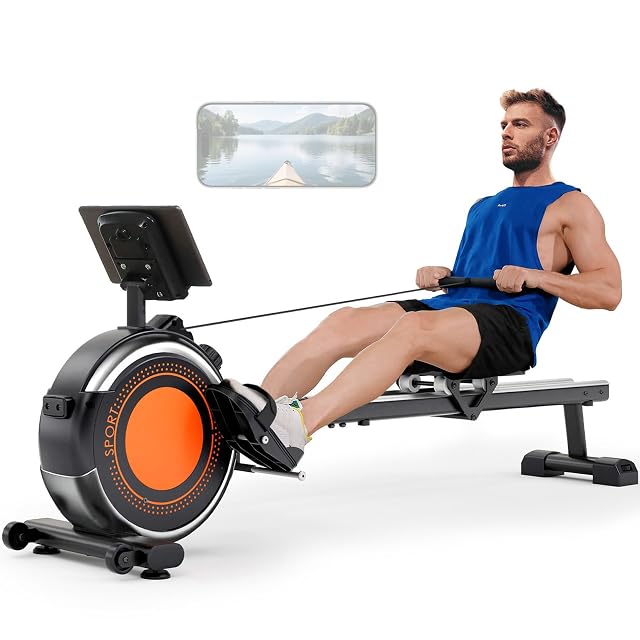
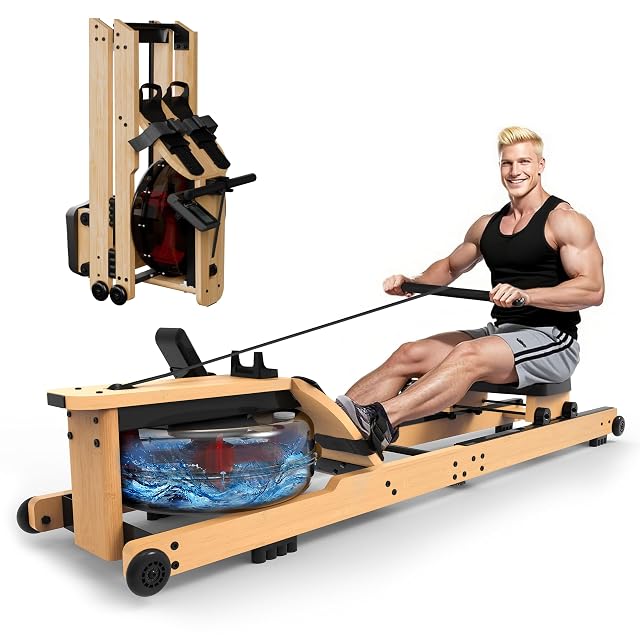
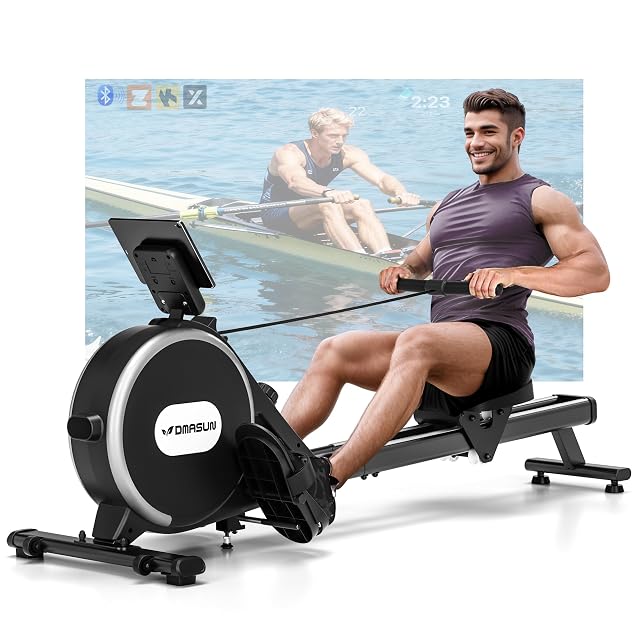
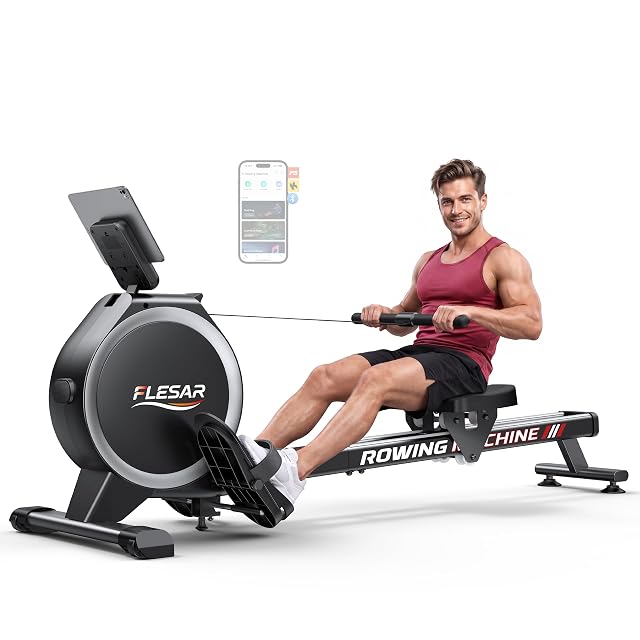
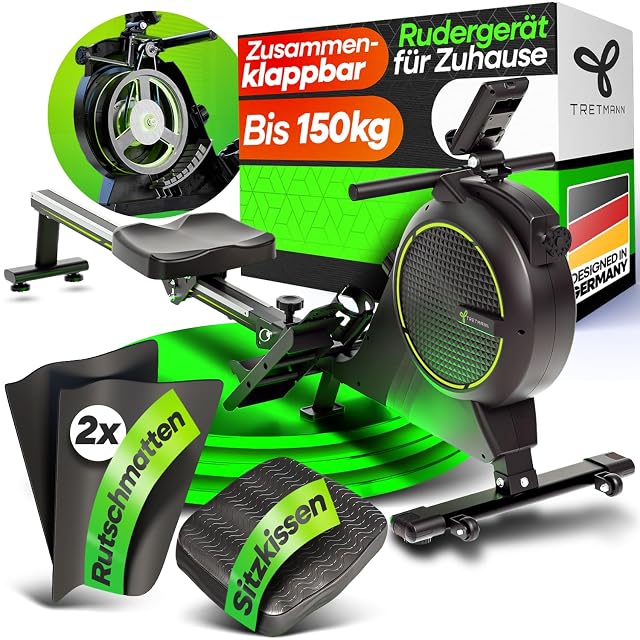
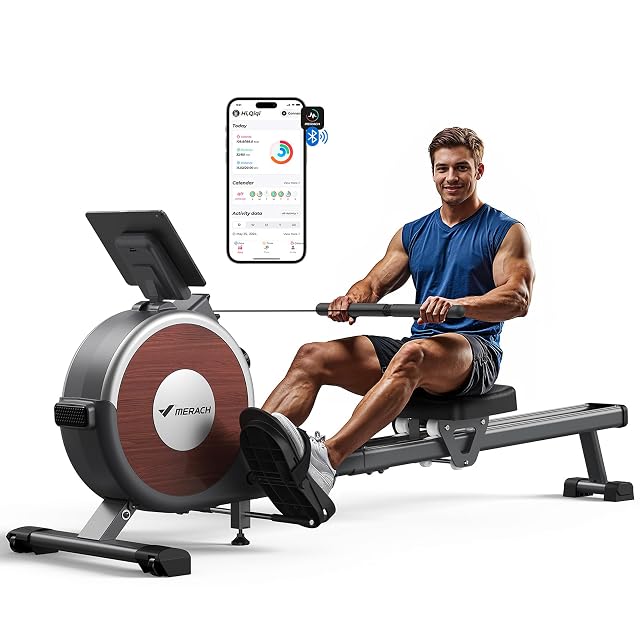
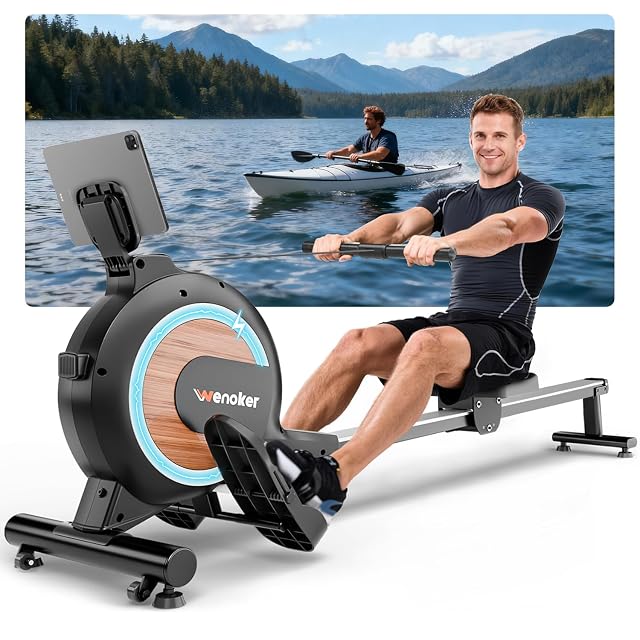
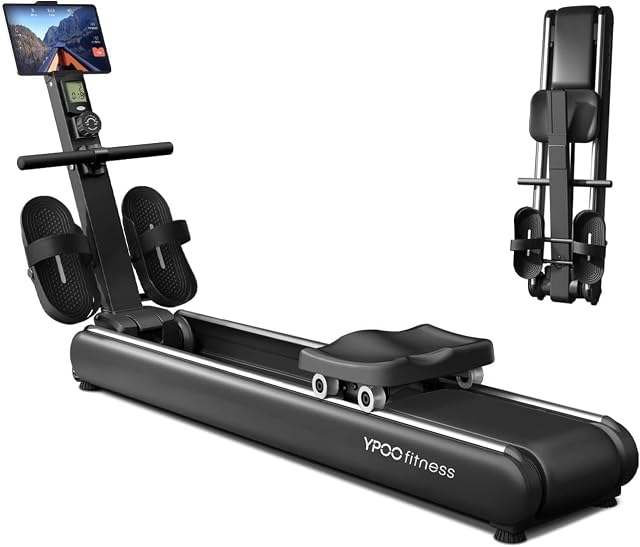
A rowing machine is defined by how it makes resistance, and the four methods behave differently enough that they are effectively four products. Air resistance rises with effort and never needs setting; it is also the loudest by a wide margin, which matters more at home than anywhere else. Water gives a similar curve with a different sound and adds the weight of the tank to the room. Magnetic resistance is near-silent and set by a dial, which means the effort does not respond to the stroke — the feel is the compromise, the noise is the reward. Hydraulic pistons are the cheapest and the most compact, and they load the arms rather than the whole chain. The second figure is the rail: its length decides the maximum inseam that fits, and it is published in centimetres by the makers worth buying from. A rower that is too short does not shorten the stroke slightly — it stops the drive before the legs finish. Seat height is the figure people discover after delivery, and a low seat is hard to get off for anyone with a knee problem. The monitor matters in proportion to how it is used: stroke rate, distance, and 500 m split are the useful ones; calories are a model, not a measurement. And the two practical numbers — folded size, since most fold vertically, and the published user weight. We compare resistance type, rail length, resistance levels, max user weight, stored size and console readings.