A motor rating, a belt you actually run on, and a folded height
The best treadmills for 2026
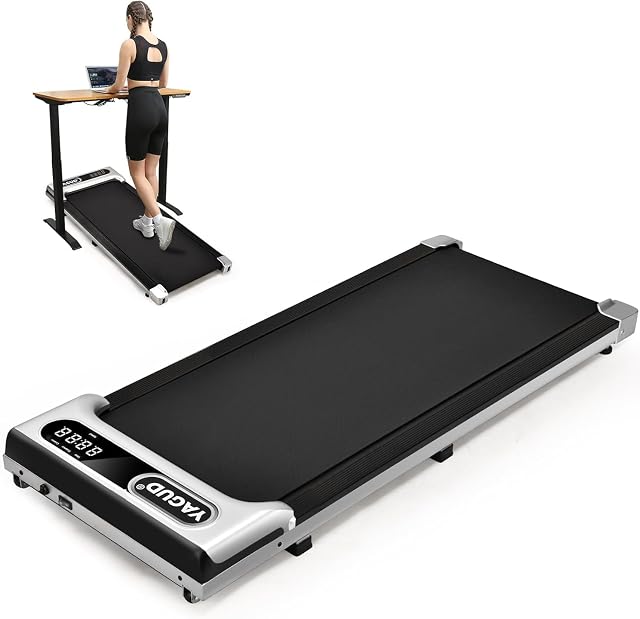
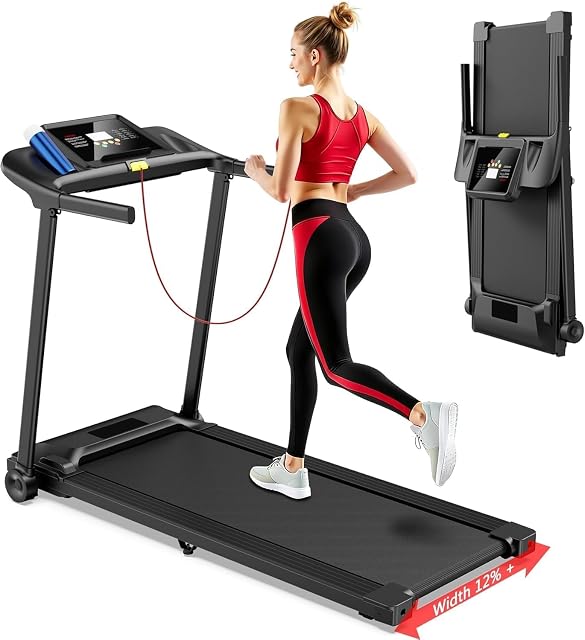
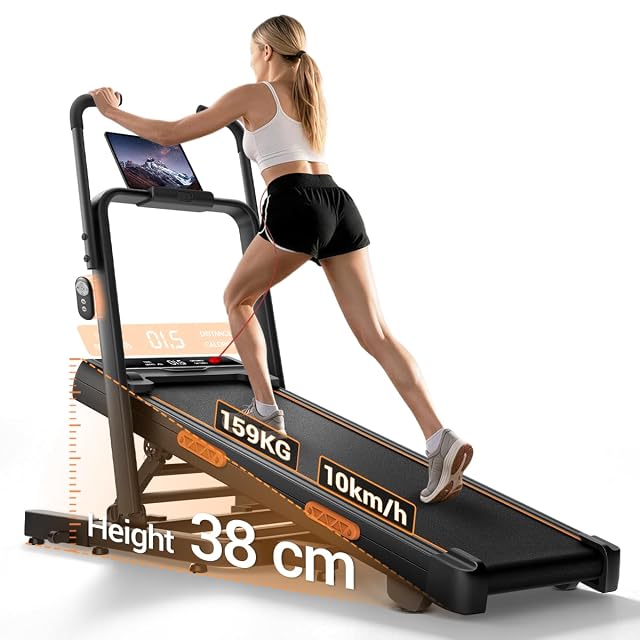
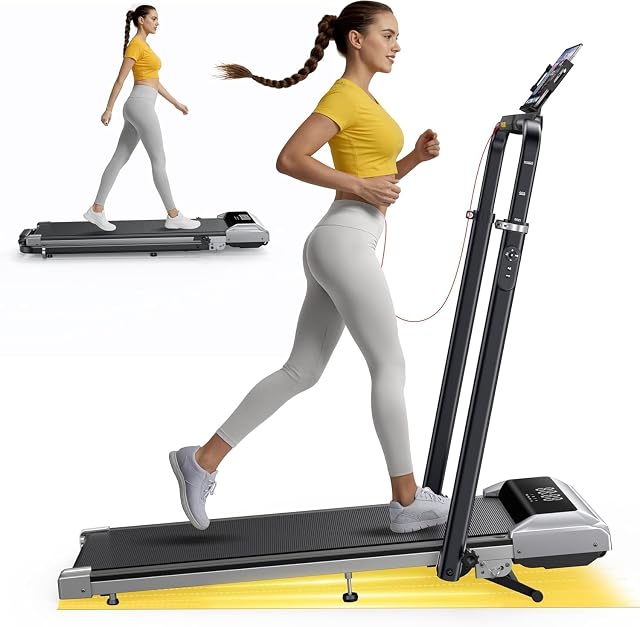
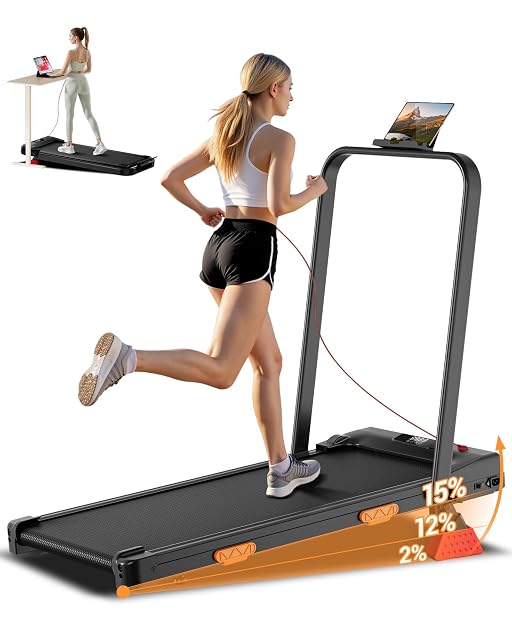
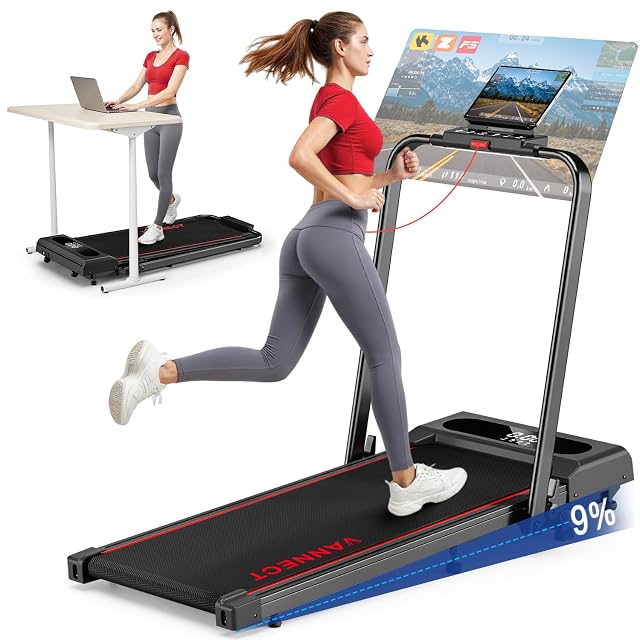
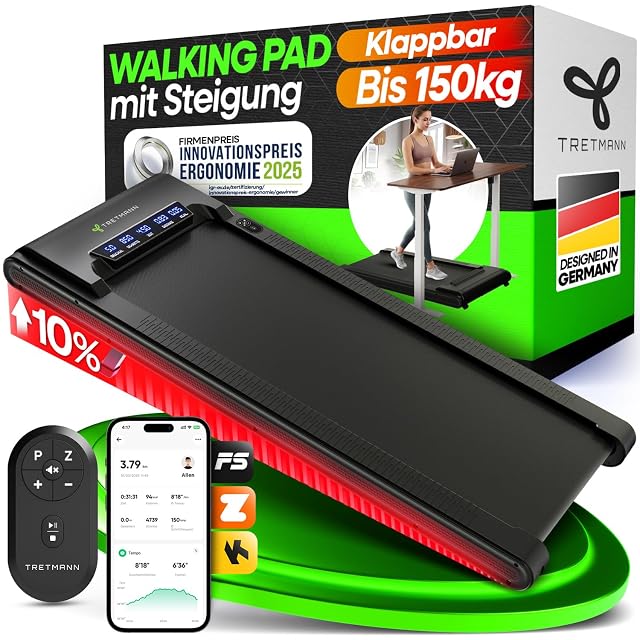
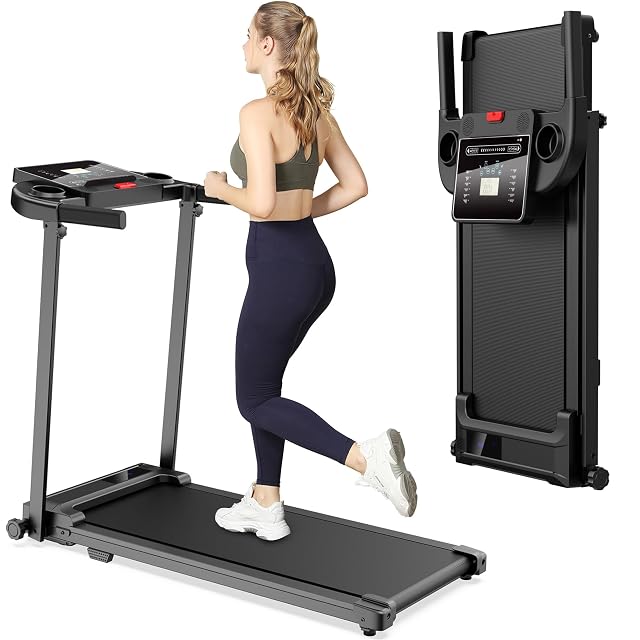
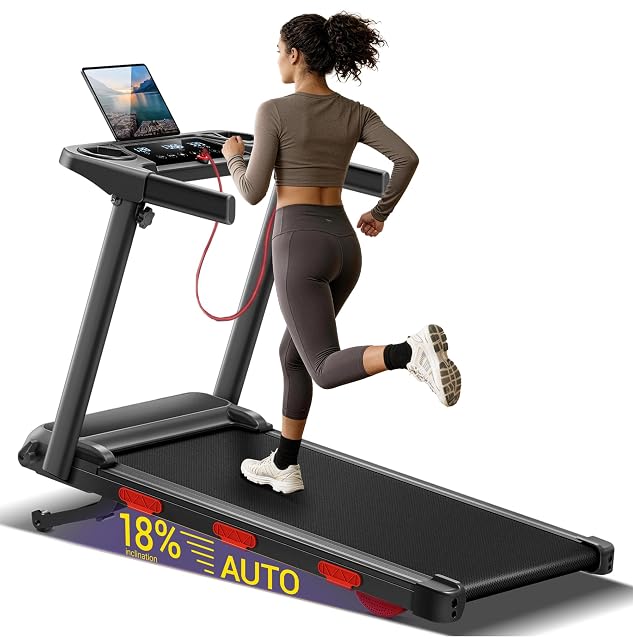
A treadmill is sold on horsepower and lived with on belt size. The motor figure to look for is the continuous rating, not the peak — peak power is a number the motor can hold for seconds, and a listing that quotes only the peak is telling you which number is smaller. Under-desk walking pads sit at the bottom of this range and are a genuinely different product: no handrail, low top speed, designed for 5 km/h and not for running. The figure that decides whether a treadmill can be run on is the running surface, published as length × width in centimetres. Under about 120 cm of belt length, a running stride does not fit, and the machine is a walking pad with a handrail whatever the speed dial says. Then top speed and incline, both straightforward, with the caveat that incline on a folding frame is often manual rather than motorised and the listing does not always say so. Published user weight is the load rating, and on treadmills it is the figure most closely tied to build quality. Cushioning is described far more often than it is measured; treat the words as a description of the design, not as a claim about joints. And the two figures that decide whether it stays in the room: the folded footprint, and the noise, which very few makers put a number on. We compare running surface, motor rating, rating basis, top speed, incline range, max user weight, folded size and rear clearance.