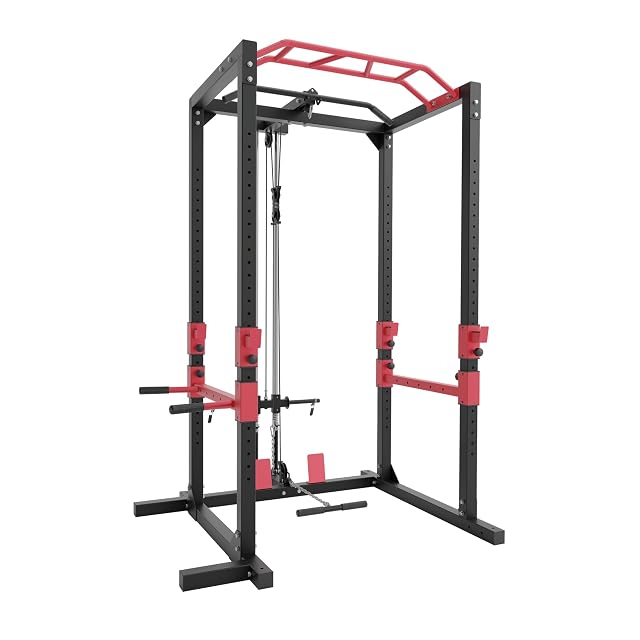
Uprights, hole spacing, and what catches the bar
The best squat racks and power racks for 2026
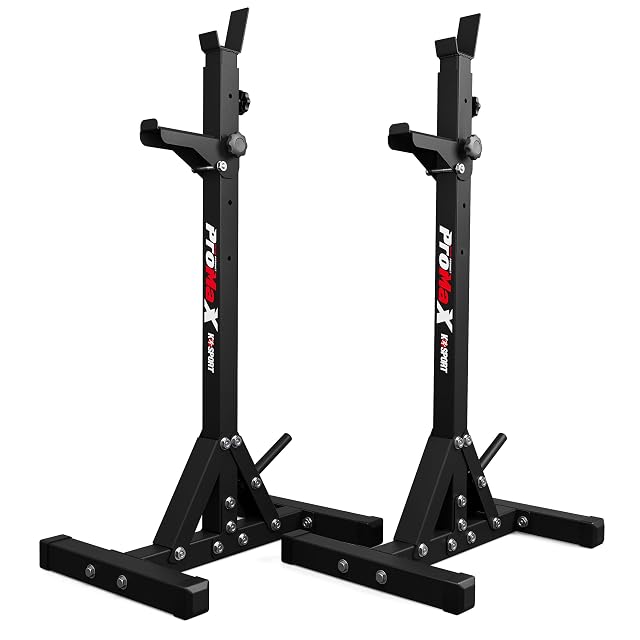
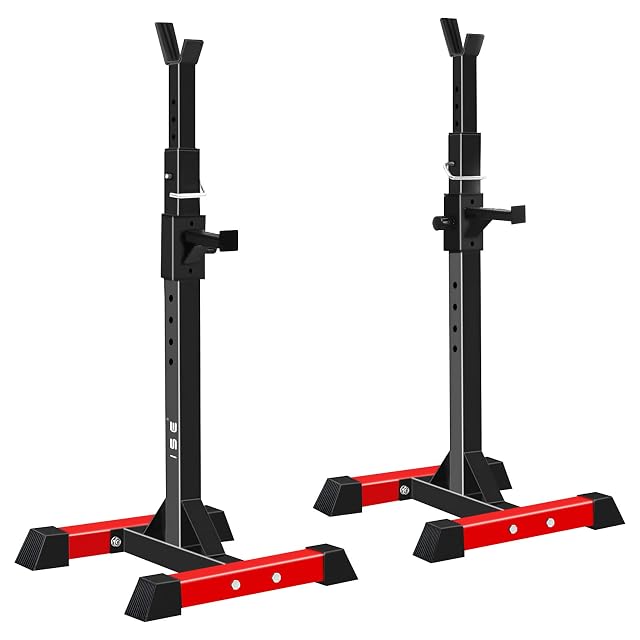
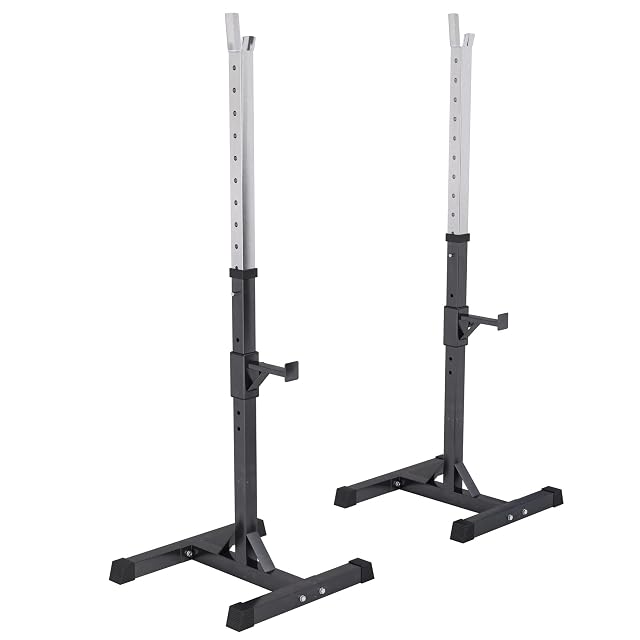
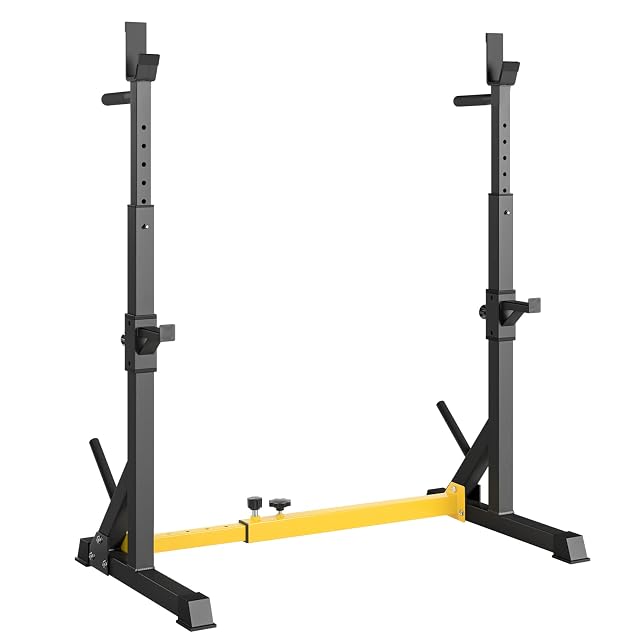
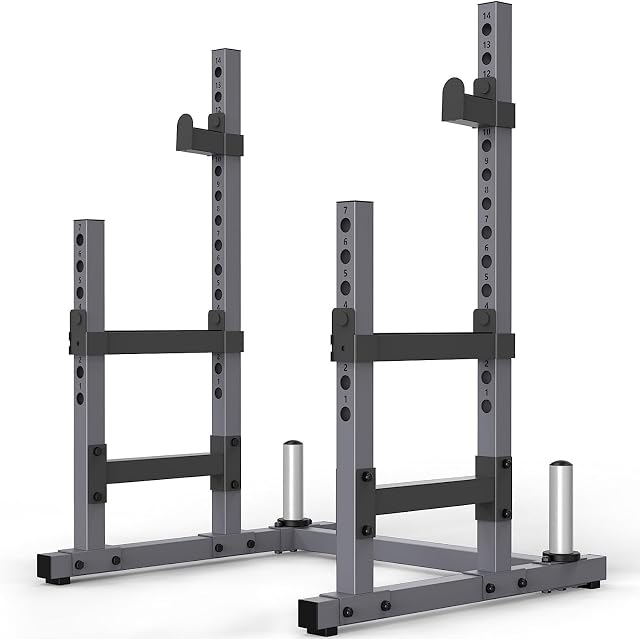
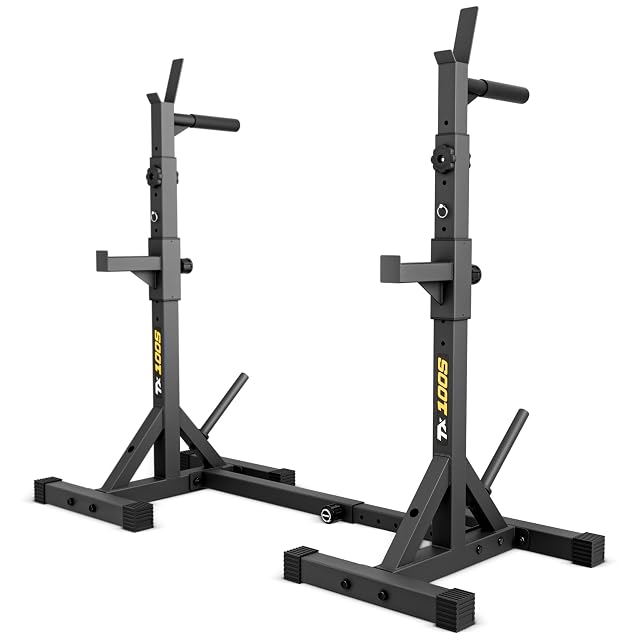
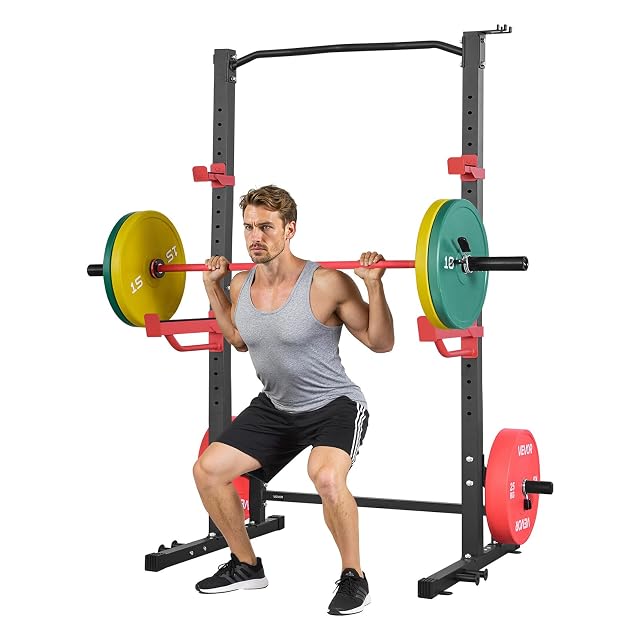
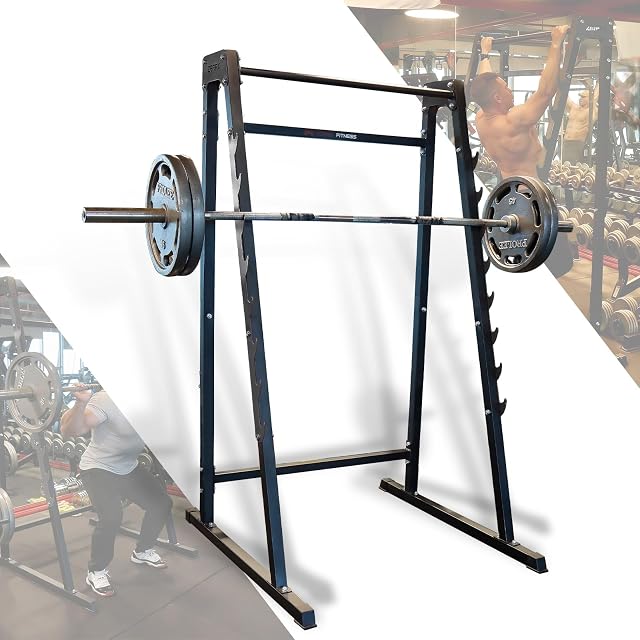
A rack holds a loaded barbell at a chosen height and catches it when a rep fails. Those are two separate jobs, and a great many products on this shelf do only the first. A squat stand is two uprights with J-cups; a power rack is four uprights with safety bars that run the full depth. Training alone changes which of those is acceptable, and the listing rarely puts it that way. The published load comes next, and it is worth noting what it applies to: some makers rate the J-cups, some the whole frame, and a few rate the safeties separately, which is the figure that actually matters when a squat goes wrong. Then the uprights — tube section in millimetres, wall thickness, and above all the hole spacing. Holes every 5 cm are common and adequate; holes every 2.5 cm through the bench-press range let the J-cups land where the lift needs them rather than near enough. Height decides whether the rack fits the room at all, and the useful figure is the internal height under the top crossmember, not the overall height. Finally the base: a rack that must be bolted to the floor says so, and one that relies on its own footprint needs that footprint measured against the room before it is ordered. We compare overall height, inside width, inside depth, upright section, hole spacing, hole diameter, max total load and anchoring.