Skip to content

Training under a low ceiling: what still works

Overhead pressing needs more headroom than a rack does, and a cable tower needs more than either. Four purchases below are chosen because their listings publish a height — which on several of these shelves is the exception rather than the rule.

The order of headroom needed

Most — a cable tower with a high pulley. Two metres of frame plus a standing reach above it.

Then — overhead pressing in a rack, which needs the bar’s finish position clear.

Then — a pull-up bar, where the head must clear the bar and the feet must clear the floor.

Least — anything used seated or lying: a rower, a bench, a stepper.

The listings that publish a height

Not many. Across the cable-station shelf, heights of 90, 172, 200, 205 and 210 cm are published — a range wide enough that the family contains two genuinely different products.

The 90 cm station is the only one on this site that goes under a sloped ceiling without a question, and its review page says what it gives up for that.

What to measure before buying anything

The beam, not the ceiling. Basements and lofts are rarely flat overhead, and the lowest obstruction is what decides.

Then subtract the flooring. Gym flooring on this site runs from 5 mm to 15 mm, and a tile floor raises everything standing on it.
The choices, and the reason for the order

The first questions this raises

How much headroom does pressing need?

More than standing height: the bar starts at shoulder level and finishes above the head, with the hands extended. This page does not give a figure, because that depends on the person — but the machine heights below are published and can be measured against.

Which machine needs the most height?

A cable tower with a high pulley, which has to stand clear above a standing user reaching up. Several on this site are 200 to 210 cm tall, and one is 90 cm, which is a completely different product.

What about a rower?

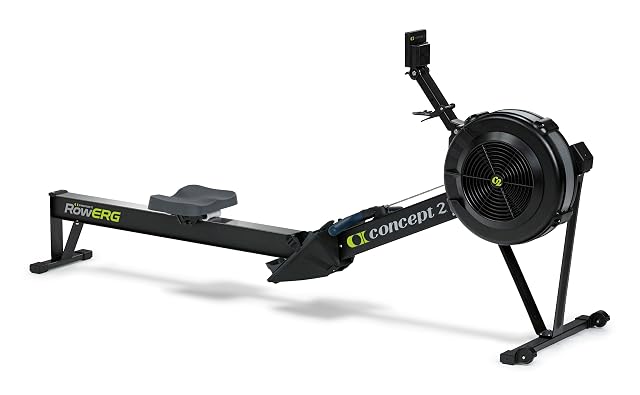
A rower is the one machine here that is used sitting down and needs no headroom at all. Its constraint is length, not height.

Why each one, and for whom

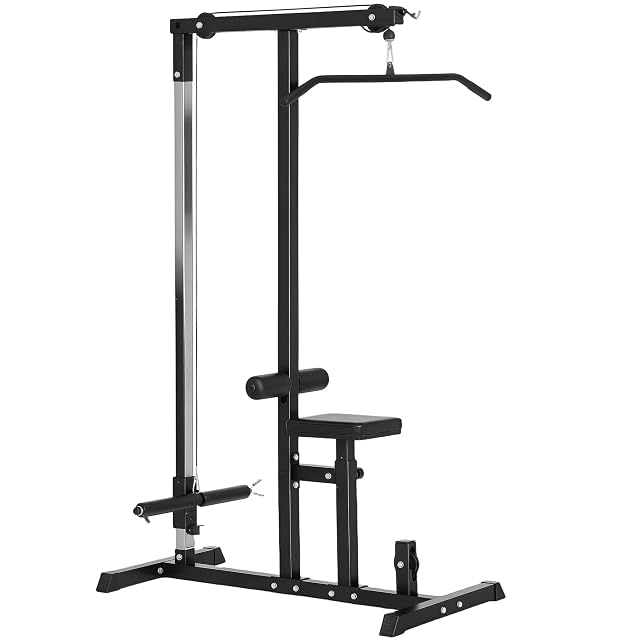
HOMCOM DEA91-093V010431

For : A room with a low ceiling, where 90 cm of height is the constraint

Main strength : Both plate standards, Ø 2.5 cm and Ø 5 cm, on one station

Main limitation : Two different load figures — 160 kg and 60 kg — published without a rule

Read the full review →

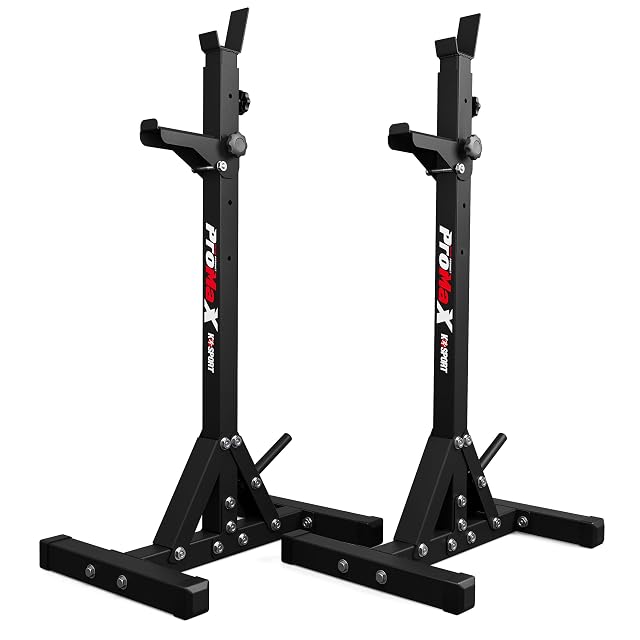
K-Sport Squat Rack

For : A low ceiling where 153 cm is the maximum height available

Main strength : Publishes the adjustment step at 10 cm, not just a position count

Main limitation : A 10 cm step is coarse exactly where a bench press needs it fine

Read the full review →

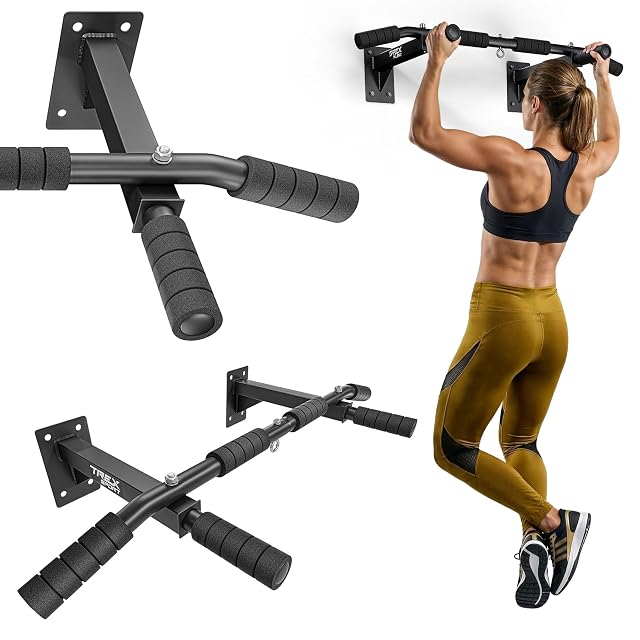
TREX SPORT TX-030PB

For : A solid masonry wall where a permanent bar is preferable to a doorway one

Main strength : Six grip positions counted, giving wide, narrow and neutral holds

Main limitation : Nothing is published about the wall it assumes or the fixings supplied

Read the full review →

Concept2 2712

For : Somebody who has already decided on air resistance and the PM5

Main strength : Air resistance, which responds to effort rather than to a setting

Main limitation : The listing publishes almost nothing — four bullets, no dimensions, no figures

Read the full review →

Useful comparisons

Head-to-heads already published between two models from this guide or this aisle.

How this guide is built

The models here come from the catalogue of this site. Specifications are those published by the manufacturer and on the Amazon product page; prices are what Keepa reported on the date below, and both move. The ranking uses declared specifications, the balance of stated strengths and limitations, and price. No product on this site has been physically tested, and nothing here claims otherwise.

Last checked on

The tool we use ourselves

Decided what to buy? Check the discount is one.

Training equipment is discounted over and over through the year — hardest of all in the weeks after the January rush, which is exactly when most of it stops being bought — and a struck-through figure on its own says nothing whatever about what the same model was charged at four weeks ago. UniverTrack keeps a week-by-week record for each retailer, so a reduction gets measured against a figure somebody really paid rather than one invented for the campaign — and it says when the moment to order has actually arrived.

Real price historyBuy-now alertsAI buying assistant
Try free for 14 days →
No commitment · Cancel in one click · 5 languages