A pulley ratio that halves the weight, and where it bolts
The best lat pulldown and cable stations for 2026
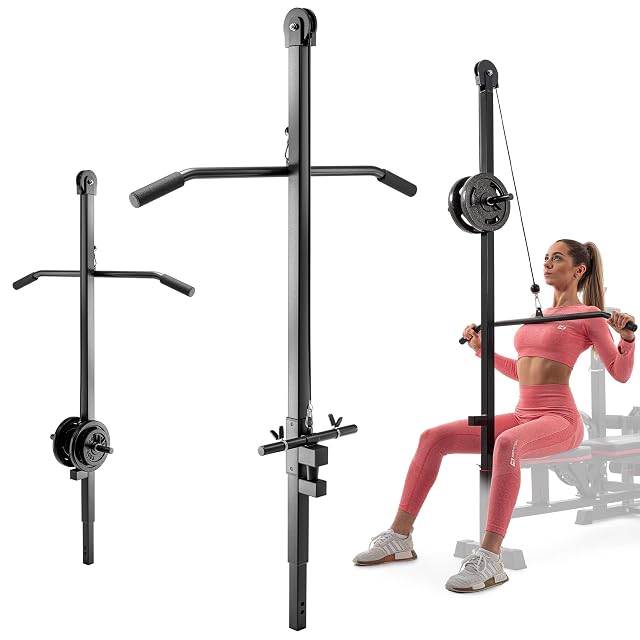
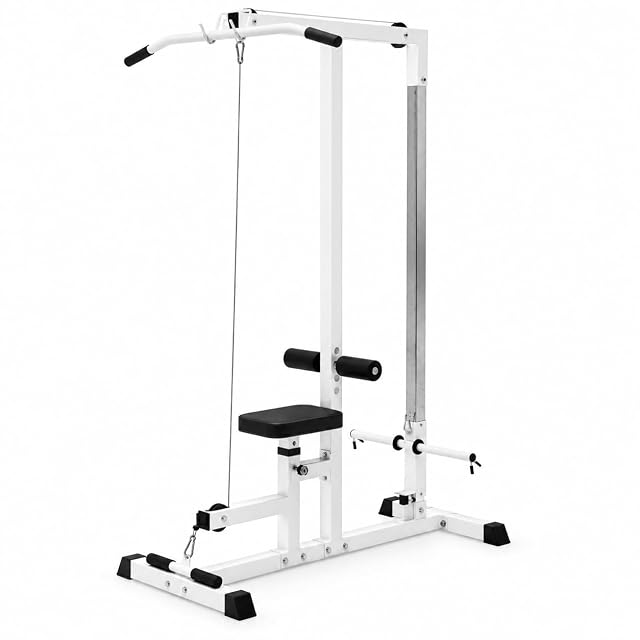
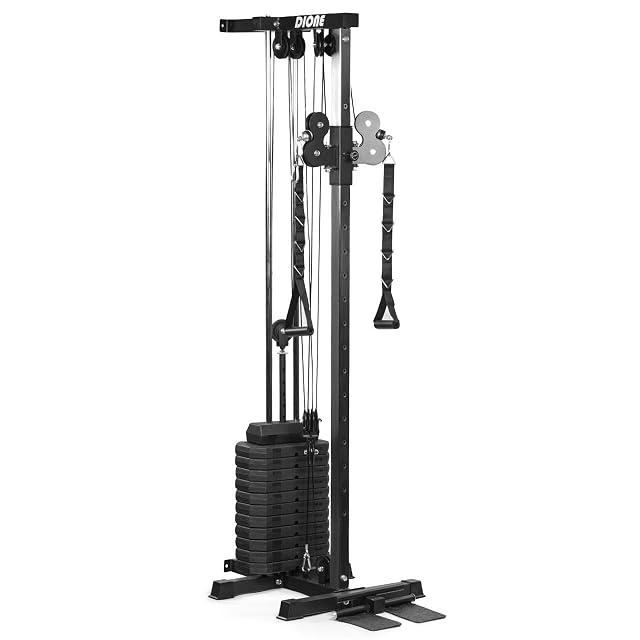
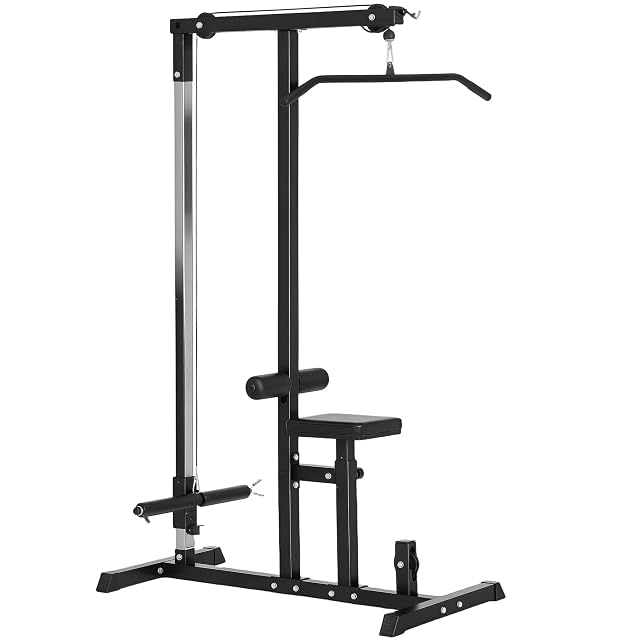
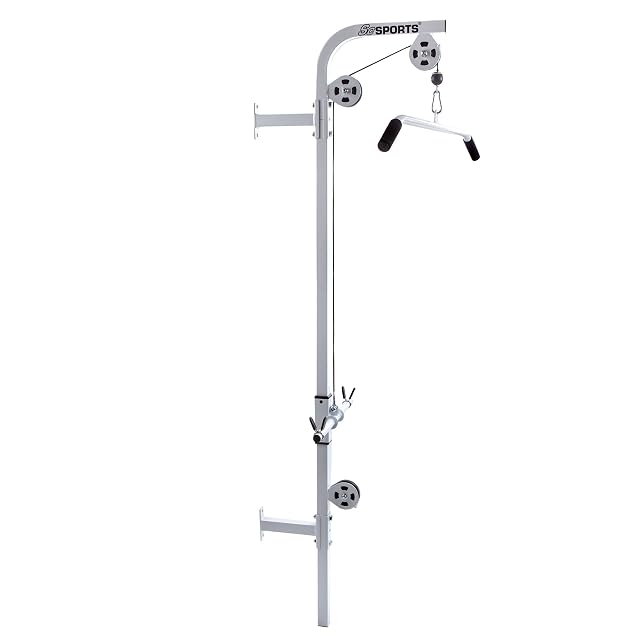
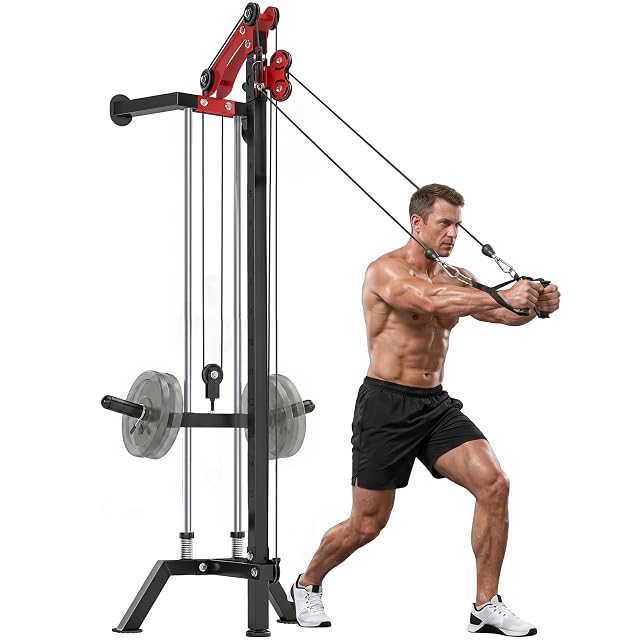
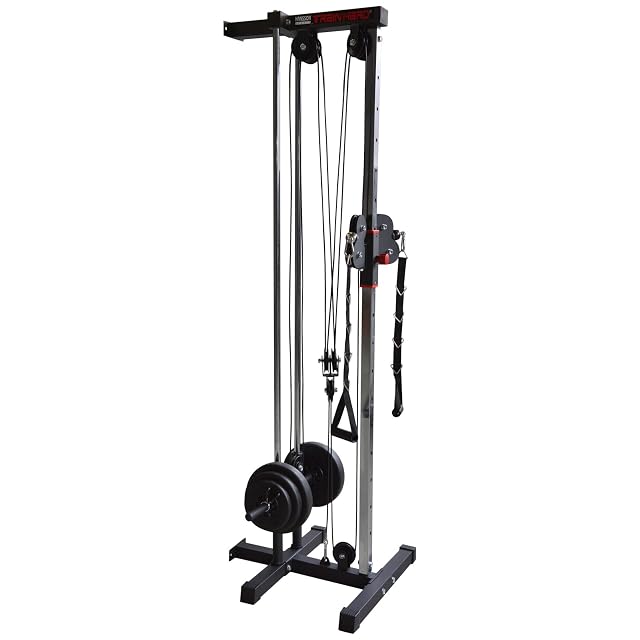
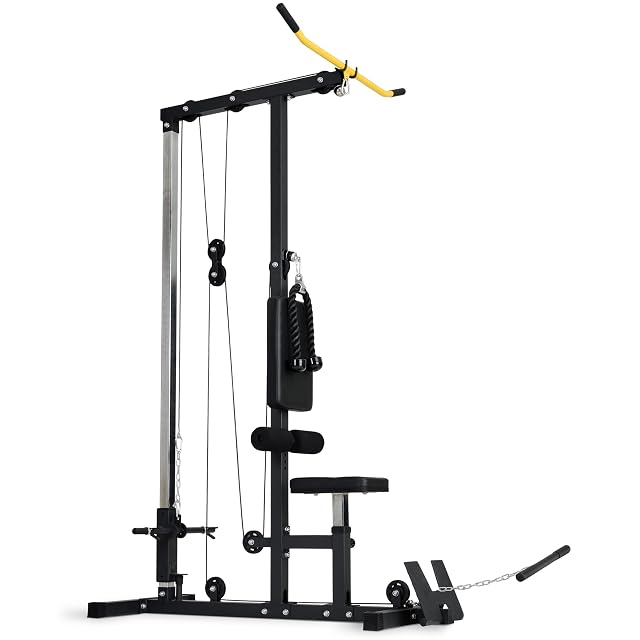
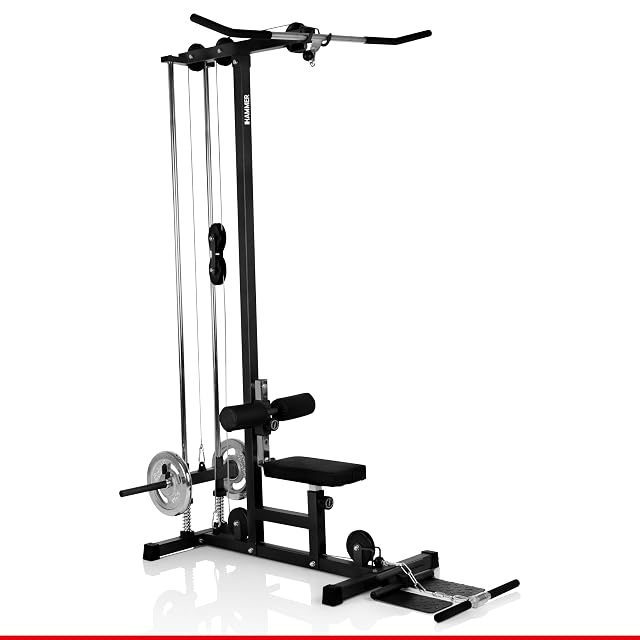
A cable station turns a vertical plate load into a horizontal or downward pull, and the figure that most changes what it feels like is the one least often explained: the pulley ratio. A single pulley gives a 1:1 ratio and the load at the handle is the load on the post. A 2:1 system halves it, so 40 kg of plates pull like 20 kg — which is not a flaw, it doubles the cable travel and smooths the movement, but it makes a published plate capacity meaningless on its own. The makers who state the ratio are stating the specification; the ones who publish only a plate capacity are publishing the flattering half. Mounting divides the shelf: wall-mounted towers need a masonry wall and a stated fixing pattern, ceiling mounts need a joist, and free-standing frames need a footprint and often a bolt-down. The fixings supplied are for one substrate only and the listing says which. Then cable length and travel, which decide the range of the movement — a lat pulldown needs enough travel to finish at the chest from a full stretch. The attachment points — high, low, and adjustable mid-height — decide how many exercises the station actually does, more than any count in the title. The plate post is Ø 30 or Ø 50 mm as elsewhere. And the handles: a lat bar and a straight bar are usually included, a rope and a single handle usually are not. We compare load, plate post, height positions, frame and footprint.