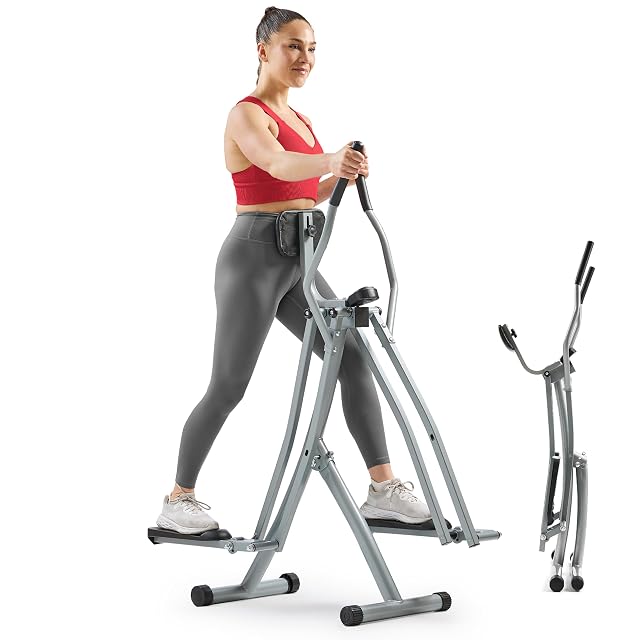
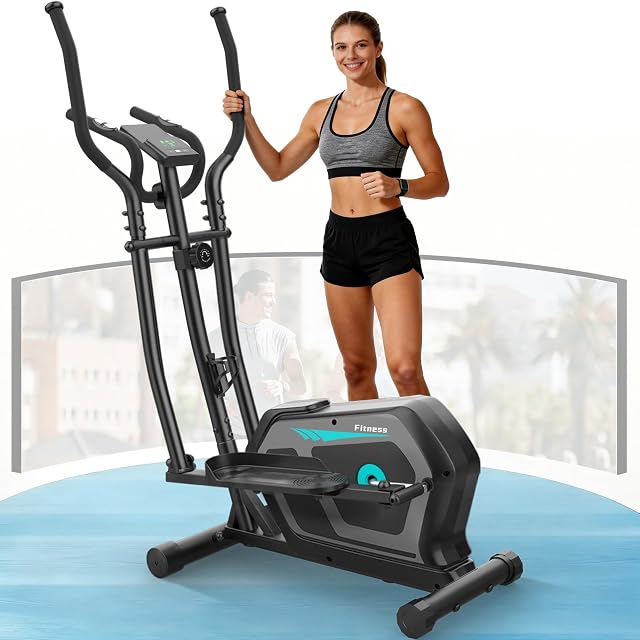
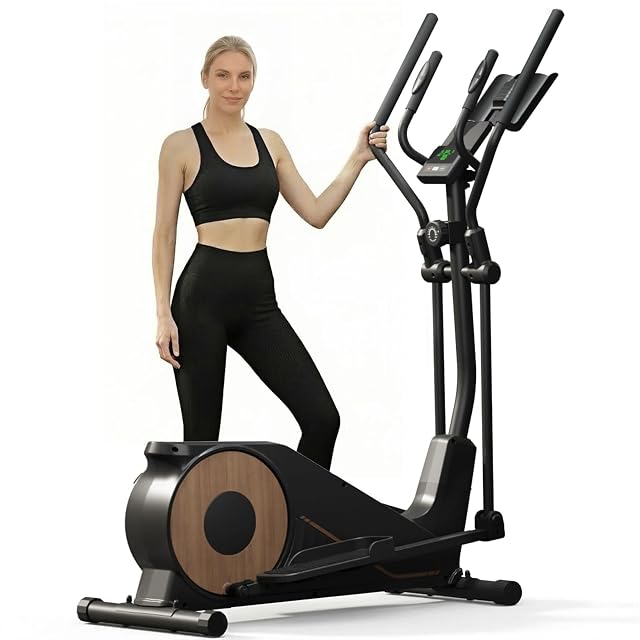
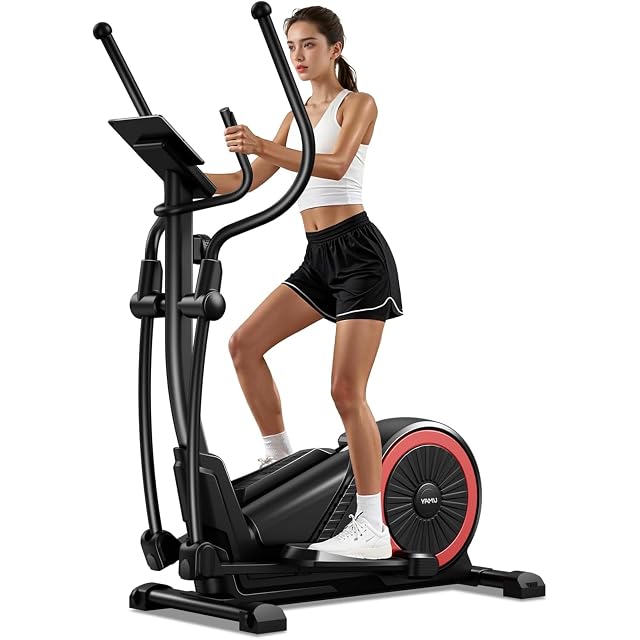
Stride length and flywheel mass, before any programme count
The best cross trainers for 2026
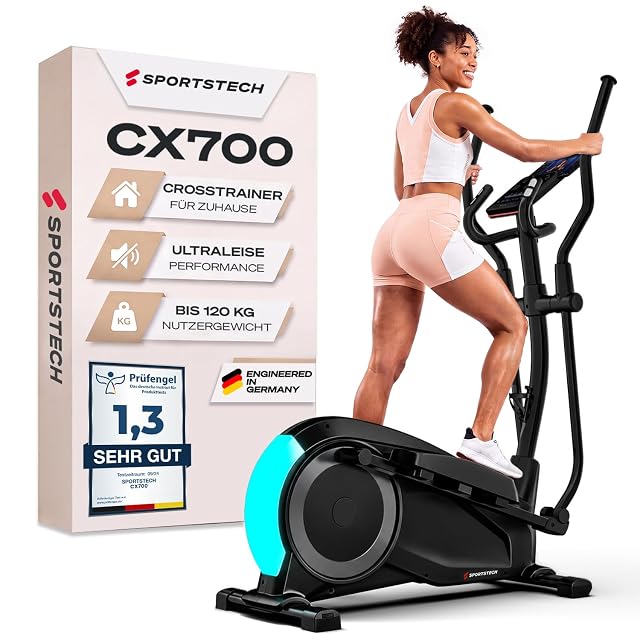
A cross trainer is bought for joints and judged on two figures that most listings bury under a programme count. The first is stride length, in centimetres, and it is the single number that decides whether the machine suits the body using it. A 30 cm stride is a shuffle; 40 cm suits most adults; above 50 cm suits tall users and feels unnatural to short ones. It is published by every maker worth considering, and its absence from a listing is itself informative. The second is the flywheel mass in kilograms, which decides whether the motion is smooth or lurches between pedal strokes. Heavier is smoother, and it is the figure that most separates machines that look identical in photographs. Where the drive sits — rear, front or centre — changes the path of the foot and the length of the machine, and centre-drive designs are the compact ones. Then resistance: the number of levels matters less than whether they are set by a motor or by a manual knob, and whether the brake is magnetic or friction-based. Step-up height is the figure that catches people in rooms with low ceilings, because it adds to the user’s own height on every stroke. And the published user weight, which on this shelf tracks frame quality closely. We compare stride length, flywheel mass, resistance levels, max user weight, footprint and console readings.